
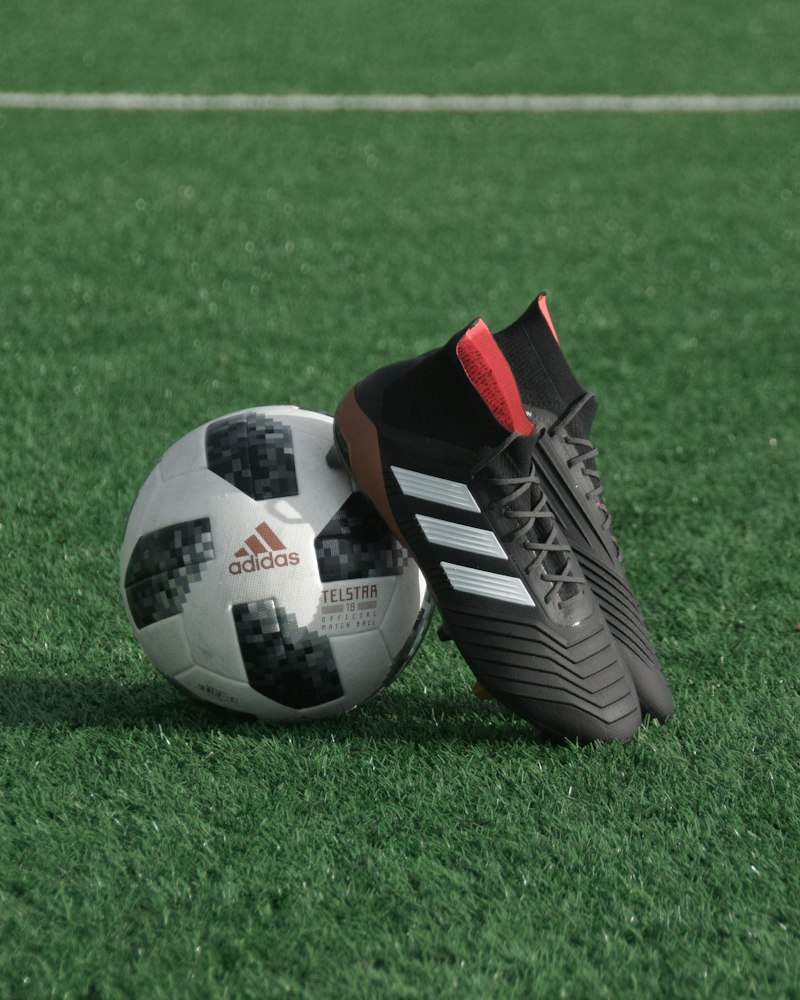
Counter-attack goals have decided more World Cup knockout matches than any other goal type, making the fast break football's ultimate weapon. Here's why transition play dominates the biggest stage in football.
The Counter-Attack Dominance in World Cups
Since 1998, 41% of goals scored in World Cup knockout rounds have come from counter-attacks or quick transitions. In contrast, patient possession-based goals account for just 23% of knockout stage strikes. This disparity highlights a fundamental truth about tournament football: when the stakes are highest, speed kills.
The 2022 World Cup saw counter-attacking goals at an all-time high, with teams like Morocco and Japan stunning favorites by absorbing pressure and striking on the break. France's run to the final was built on Mbappe's devastating transition play.
Counter-Attack Goals in World Cup Knockout Stages
| Tournament | Counter Goals % | Most Counter Goals | Winner Style |
|---|---|---|---|
| 2026 (Group Stage) | 38% | Brazil (6) | TBD |
| 2022 Qatar | 44% | France (5) | Counter |
| 2018 Russia | 39% | Belgium (4) | Counter |
| 2014 Brazil | 35% | Germany (3) | Hybrid |
The Anatomy of a Perfect Counter-Attack
Elite counter-attacks follow a predictable three-phase structure. Phase one is the defensive recovery, where the ball is won high or low. Phase two is the transition, which must happen in under 4 seconds to exploit disorganized defenses. Phase three is the finishing, where the final ball must be delivered before defensive recovery is complete. Teams that execute all three phases consistently are the ones that win tournaments.
Key Factors for Counter-Attack Success
- Ball recovery speed — top teams transition from defense to attack in 3.2 seconds
- Sprint speed of forwards — at least one attacker must exceed 34 km/h
- Passing accuracy in transition — 88% or higher in the final third
- Decision-making under pressure — choosing the right pass over the spectacular one
Building a Counter-Attacking World Cup Team
The ideal counter-attacking squad features a deep-lying defensive block with disciplined central midfielders, explosive wingers who can carry the ball at pace, and a clinical number 9 who can finish 1v1 opportunities. Teams like France, Brazil, and England have all structured their 2026 squads with these principles in mind.
Why Possession Isn't Everything
Spain's tiki-taka dynasty proved that possession can win tournaments, but the data shows it's the exception rather than the rule. Since 2010, only two World Cup winners (Spain 2010 and Argentina 2022) had more possession than their opponents in the final. The counter-attack remains football's most efficient route to glory on the biggest stage.