
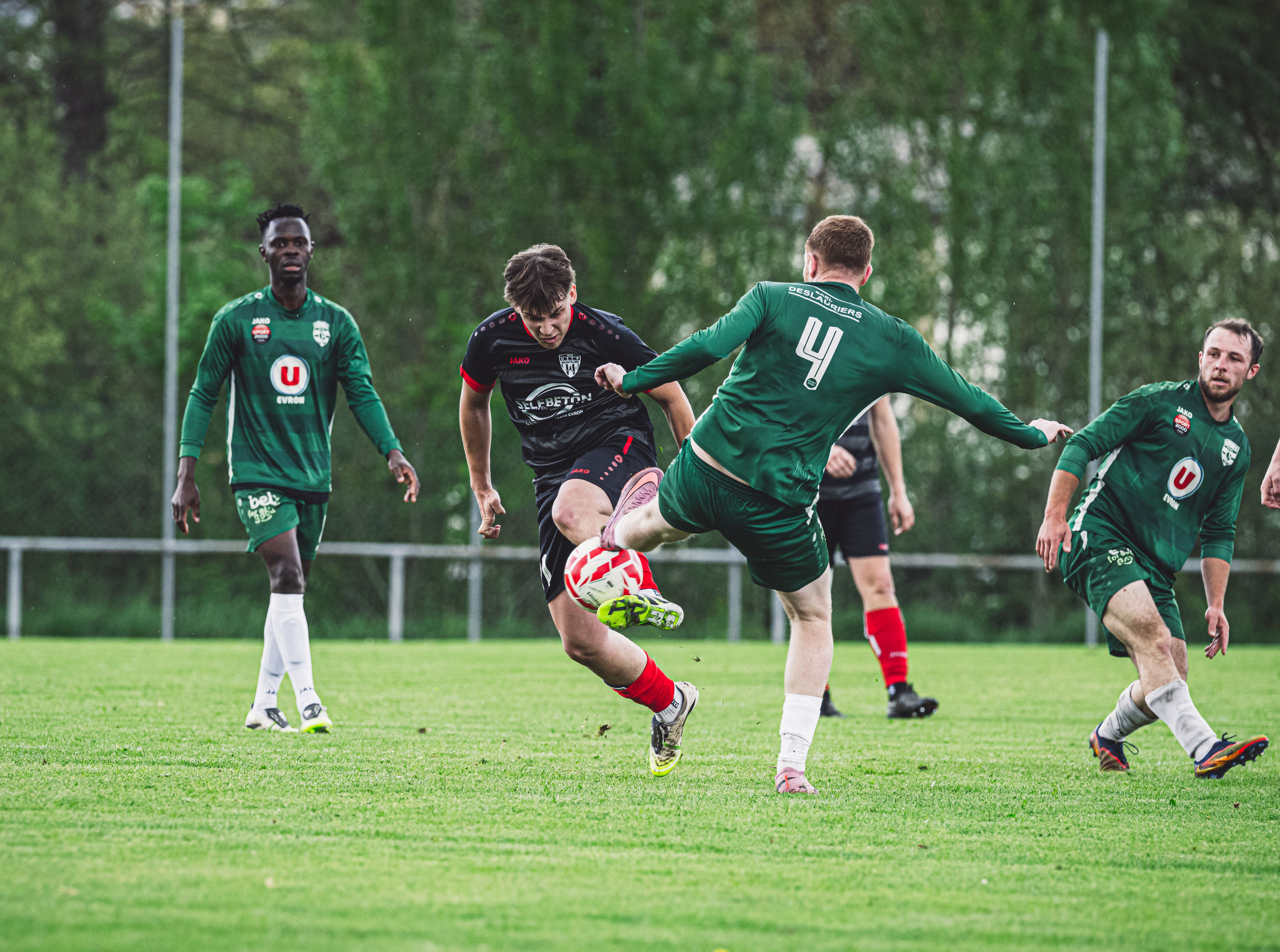
A highlights package appears online within minutes of a final whistle. That is possible because the edit is built throughout the match rather than started after it, and the process shapes what viewers end up seeing.
Clips are marked as the match happens
An operator logs incidents in real time, tagging goals, near misses, disciplinary decisions and anything else likely to be wanted later.
Each tag carries a timecode, so the material can be retrieved instantly from the recording rather than searched for afterwards.
By the closing stages the package essentially exists as a list, and the remaining work is selection, trimming and assembly rather than hunting.
The running order is provisional until late
Highlights are ordered chronologically, so a goal in stoppage time can force the removal of earlier material to keep the package within its allotted length.
Editors therefore keep a hierarchy in mind: goals are never cut, major decisions rarely are, and everything else is negotiable.
A match that produces several late goals ends up with its first half almost entirely absent, which is why early chances often vanish from the record.
Length is fixed by agreement, not by content
Broadcast rights specify how long highlights may run and when they may be published, and those limits are contractual rather than editorial.
A dull match and a remarkable one are cut to similar durations, so the density of incident varies enormously between packages.
This is why a goalless match can appear to have contained continuous action while a high-scoring one feels rushed.
Camera availability narrows the choices
An incident is only usable if a camera captured it cleanly, and the wide match camera does not always hold the relevant part of the pitch.
Off-ball movement, defensive positioning and tactical shifts are almost never covered adequately, so they cannot be shown even where they mattered.
The package that results is a record of events near the ball, which is a partial account of what actually decided the match.
Why the edit shapes the memory
Most people experience most matches through highlights, so the compressed version becomes the version they remember.
A team that defended well for eighty minutes and conceded twice appears to have been overrun, because only the two goals survived the cut.
Watching highlights while knowing what the format excludes is the only way to read them accurately, and it changes what conclusions they support.