
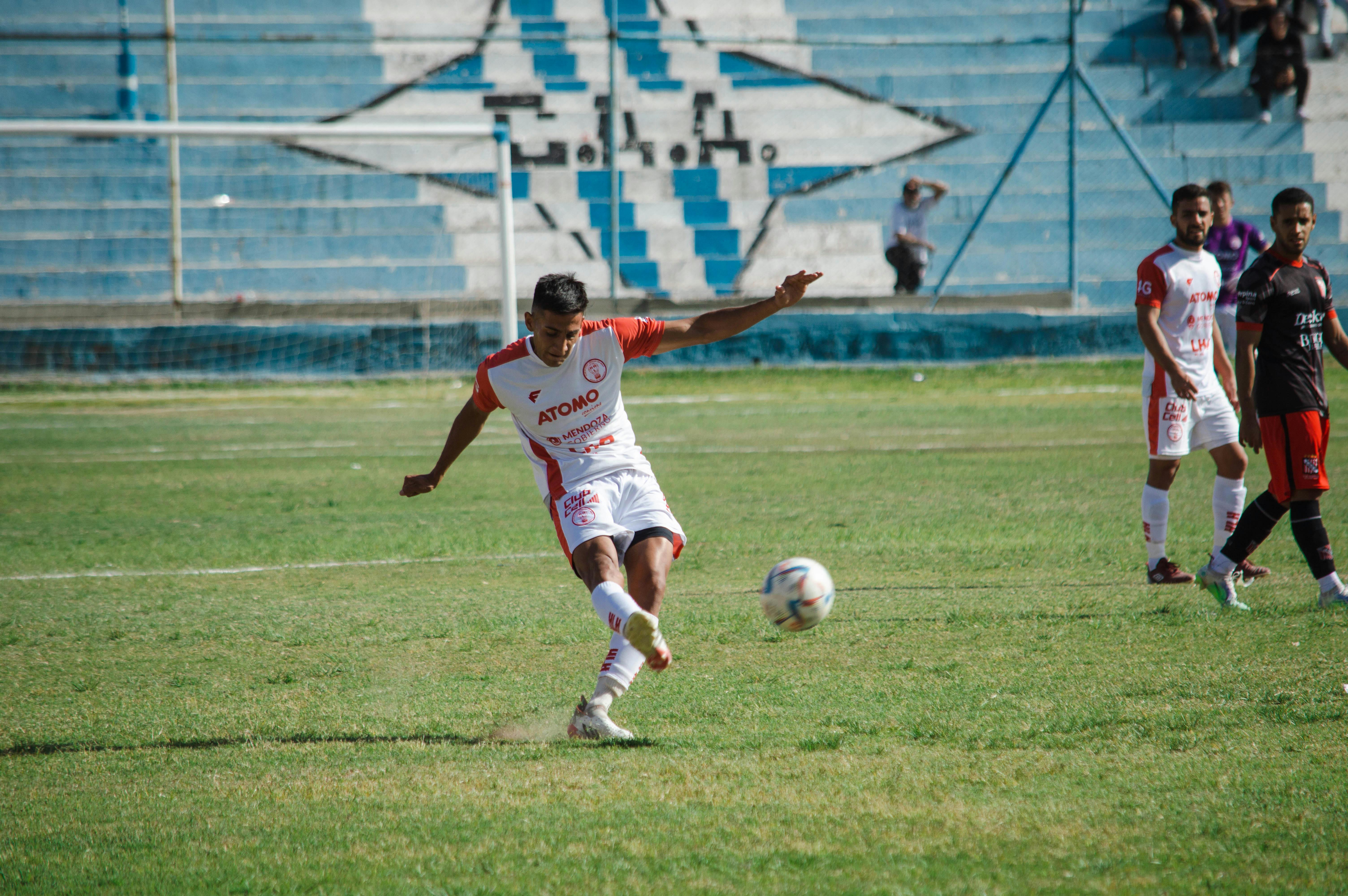
Stripping penalties out of a striker's total changes rankings more than most people expect. The reason is that taking penalties is an appointment rather than an ability, and the appointment is worth a great deal.
Penalty duty is assigned, not earned by finishing
A squad has one designated taker, and that player receives every spot kick the team wins regardless of who was fouled or who is in form.
The choice is influenced by technique and temperament, but also by seniority, by who has missed recently, and by who wants the responsibility.
The forward who does not take them is not worse at penalties, he simply plays alongside someone the coach chose instead.
Spot kicks convert at a far higher rate than open play
A penalty is the highest-value chance in football by a wide margin, and elite takers convert the large majority of them.
Adding a steady supply of such chances to one player's column produces a gap over a season that has nothing to do with movement or finishing.
Over several seasons the accumulated difference is large enough to reorder a career comparison entirely.
Penalties won are a separate skill
Some forwards generate a disproportionate number of penalties through the way they attack defenders in the box and invite contact.
That is a genuine and valuable ability, but it is a chance-creation skill rather than a finishing one, and it belongs in a different column.
Crediting the taker for kicks another player won compounds the distortion rather than correcting it.
What the non-penalty figure shows
Non-penalty goals describe what a striker produced from the run of play, which is the part of his output that depends on his own movement and finishing.
It is the fairer basis for comparing two forwards at different clubs, because it removes a variable neither of them controls.
It also travels better between seasons, since a player who loses penalty duty after a transfer does not appear to have collapsed.
Where the adjustment goes too far
Penalties are still goals, and a taker who converts under pressure in a decisive match has done something difficult and valuable.
Discarding them entirely understates a player whose composure from the spot is a real and repeatedly demonstrated quality.
The reasonable practice is to report both figures, so a reader can see what a forward produced and how much of it came from a chance the team handed him.