
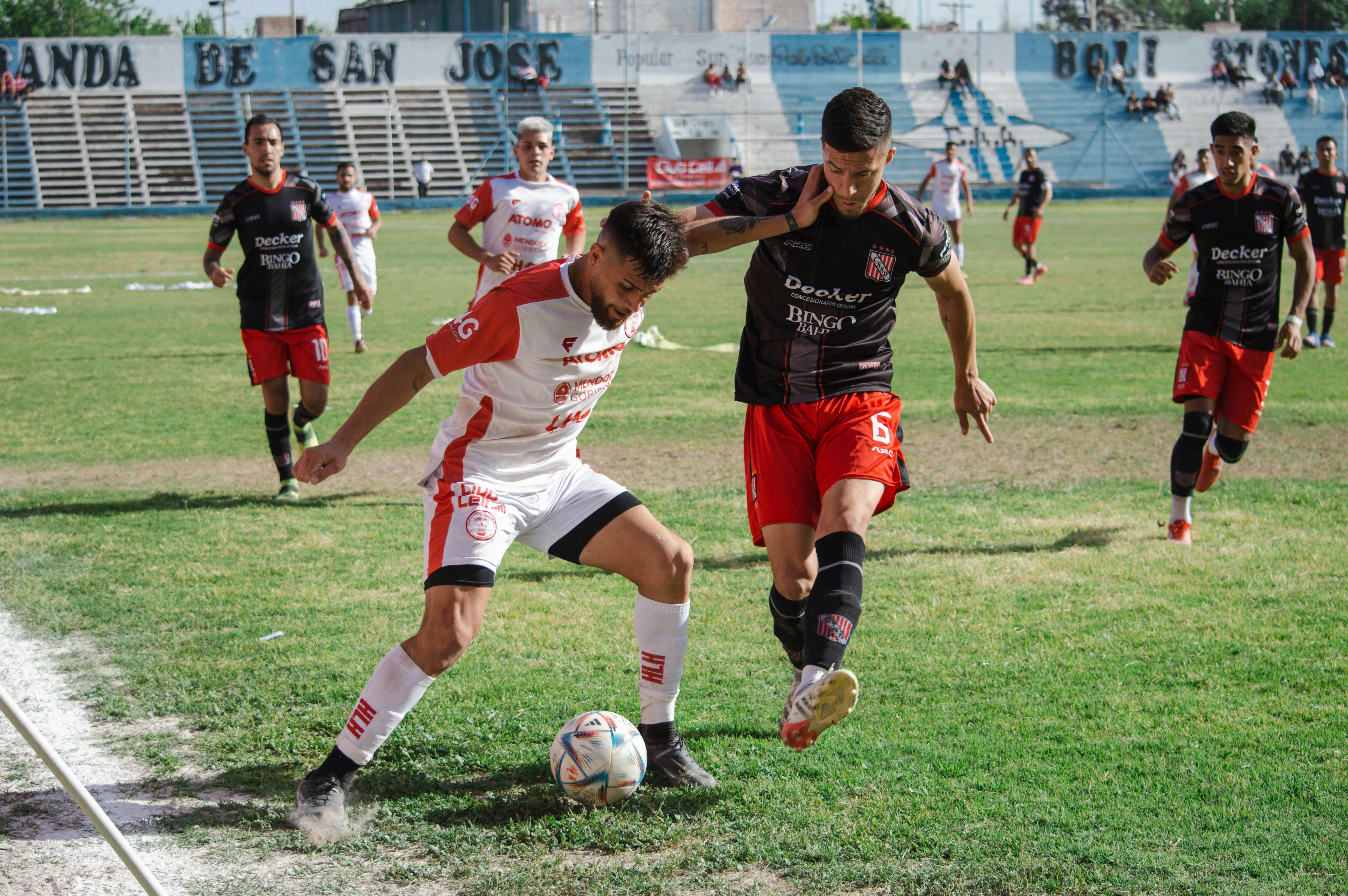
Matches producing five or six goals are usually described as attacking spectacles. Watching them again, the recurring ingredient is a defensive structure that failed early and could not be reassembled.
An early goal sets the pattern
A goal in the opening quarter of an hour forces the conceding team to change its plan before it has settled into one.
Pushing players forward that early leaves space behind for eighty minutes rather than for the closing ten, which is far more exposure than a late change creates.
Once the second goal follows, the match has usually left the shape both coaches prepared, and neither side is defending the way it intended to.
Transitions replace organised attacking
Most goals in high-scoring matches come from turnovers rather than from patient build-up against a set defence.
Each goal encourages both teams to commit more players forward, which produces more turnovers in dangerous areas, which produces more goals.
The feedback runs in one direction, and it is why these matches tend to accelerate rather than settle down.
Mismatched styles create the gaps
A high defensive line against a fast forward, or an aggressive press against a team comfortable playing through it, produces repeated one-against-one situations.
Neither approach is wrong, but the combination generates chances at both ends because both defences are being asked to cover space rather than to stay compact.
Two cautious sides meeting produce almost nothing regardless of their attacking quality, which is why the fixture matters more than the personnel.
Goalkeeping quality is a hidden variable
A match can be even in chances and end six-two because one keeper had a poor evening, which the scoreline attributes to attacking brilliance.
Shot-stopping varies match to match more than most attributes, and a single poor performance can add several goals to a total.
The highlights then show six goals and none of the saves that were not made at the other end.
Why they cannot be predicted
The ingredients are situational rather than structural, so the fixtures billed as certain to produce goals frequently produce none.
Two attacking teams meeting often cancel each other out, since each respects the other enough to sit deeper than usual.
The matches that deliver are generally the ones nobody flagged, which is precisely because the cause is an early accident rather than a quality of the teams involved.