
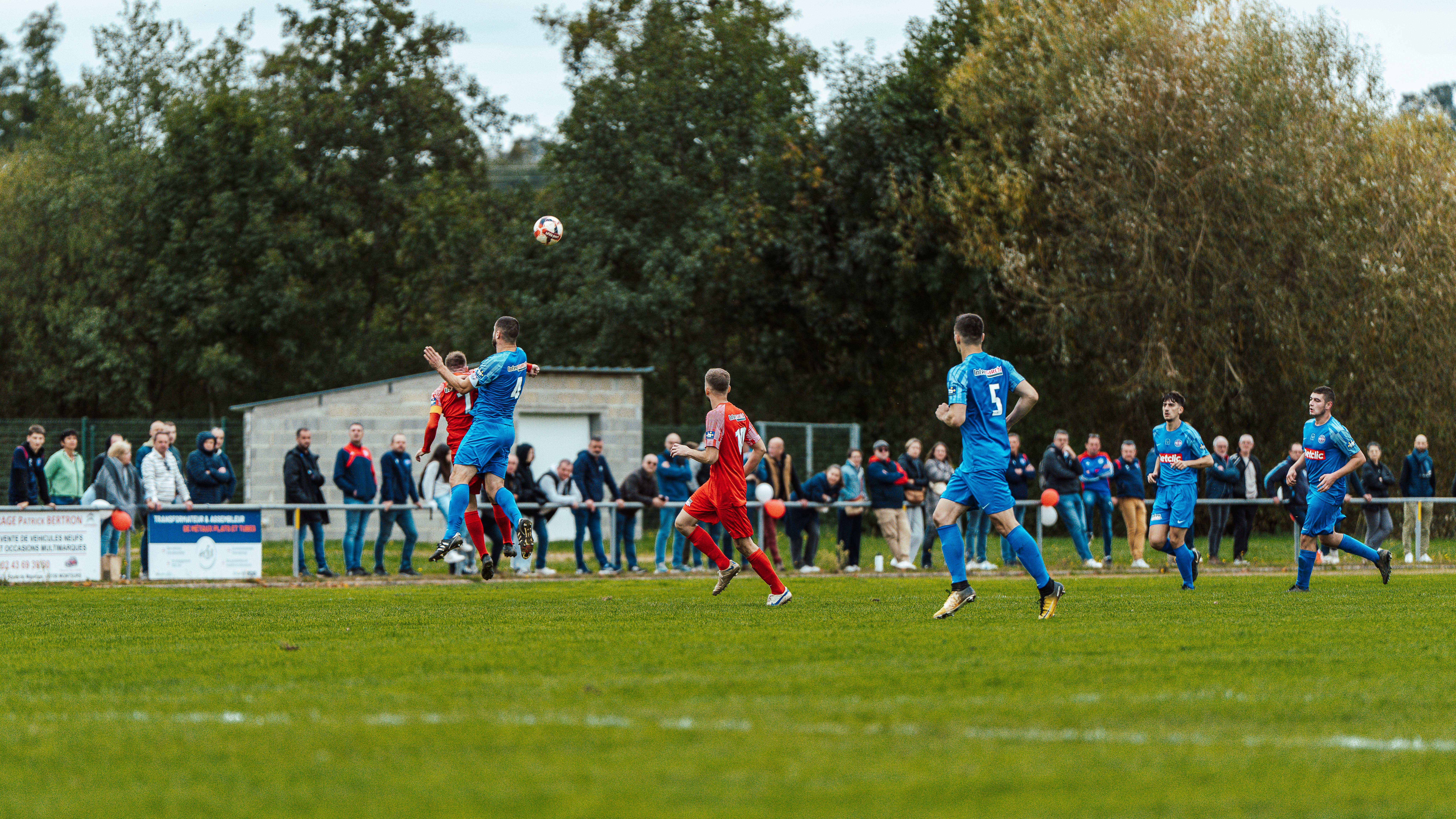
Knockout competitions produce their famous upsets overwhelmingly in the early rounds. The concentration is not coincidence; several factors that favour the weaker side are strongest at that stage and fade afterwards.
Stronger teams rotate heavily early
A club competing in several competitions treats the opening rounds of a cup as an opportunity to rest key players and give minutes to fringe squad members.
The resulting team has played together rarely, so the automatic understanding that produces attacking patterns is absent.
The weaker club fields its strongest available side, and the gap between the two teams on the day is far smaller than the gap between the clubs.
The venue works against the favourite
Early rounds are often played at the smaller club's ground, on a narrower pitch with a playing surface that has not been maintained to anything like the same standard.
Technical teams rely on the ball running predictably at speed, and a heavy or uneven surface removes exactly that advantage while costing the home side nothing.
The crowd is also close to the pitch and entirely hostile, which affects officiating at the margins and affects player behaviour rather more than most professionals will admit.
One match removes the correction mechanism
Over a league season a superior team's advantage expresses itself across many matches, and a single poor performance is absorbed.
A single knockout tie offers no such correction: an early goal, a dismissal or a goalkeeping error decides the outcome permanently.
The weaker side only has to be better for ninety minutes, and it can plan its entire season around achieving that once.
Motivation is genuinely asymmetric
For a small club the tie is the most significant match of the season, prepared for over weeks and worth substantial money.
For the larger club it sits between league fixtures that carry greater consequences, and the preparation reflects that ordering.
Professionalism limits how far this goes, but the difference in intensity over the opening twenty minutes is usually visible.
Why the later rounds normalise
By the quarter-finals the remaining teams are mostly strong, ties are played at neutral or comparable venues, and the heavy rotation that helped earlier stops entirely.
The surviving smaller clubs have also usually exhausted the squad depth that carried them there, having played the same eleven players for months without a rest.
What looks like fortune running out is really the disappearance of the conditions that made the earlier results possible.