
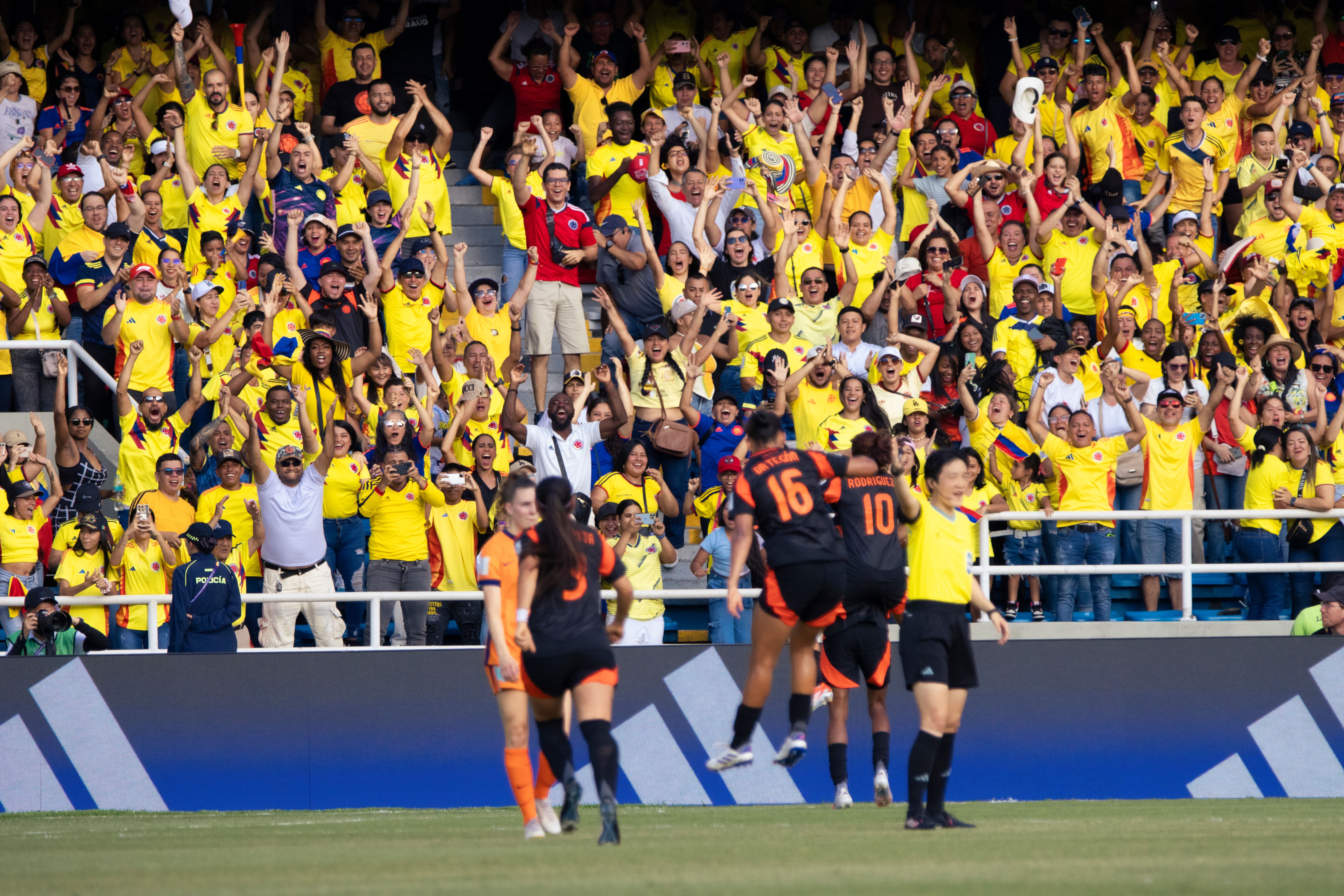
A player who scores against a former club now routinely stands still with his hands raised. The convention is recent, is not required by any rule, and spread for reasons worth unpicking.
It is a signal to a specific audience
The gesture is aimed at the supporters of the club the player left, not at his current teammates or the neutral watching at home.
It communicates that the goal was professional obligation rather than personal satisfaction, which is a distinction those supporters care about a great deal.
Because the message is legible instantly and without words, it travels well through photographs and short clips, which is part of why it became standard.
The norm spread by imitation
Nothing in the laws mentions it. It began as individual gestures by players with unusually strong ties to a club and was copied because it was well received.
Once enough players did it, the absence of the gesture became the statement instead, and celebrating normally started to look like a deliberate provocation.
That inversion is what makes a convention self-sustaining: the cost of not following it rises as more people follow it.
Player and club interests align on it
Modern careers involve several clubs, and a player benefits from leaving each on reasonable terms, since coaches, staff and supporters overlap across a career.
Clubs also have an interest, because hostility towards a former player complicates future business between the two sides.
Restraint costs almost nothing and preserves relationships that may matter later, which makes it an easy convention to adopt.
The awkwardness is visible
The gesture creates a strange few seconds in which teammates approach a scorer who is refusing to react, and some pull away rather than intrude.
Players have described the moment as genuinely uncomfortable, because scoring produces an involuntary physical response that has to be actively suppressed.
What follows is often a compromise: a brief acknowledgement, a hand raised in apology, and then a quick return to position.
Where the convention breaks down
It holds least well where the departure was acrimonious, or where the player felt pushed out, and in those cases a full celebration reads as a reply.
It also weakens with time. A player scoring against a club he left a decade ago rarely bothers, because the tie the gesture acknowledges has faded.
The convention, in other words, tracks the strength of the relationship rather than the fact of it, which is why its application looks inconsistent from outside.